Hydroquinone (HQ)
- 2–4% formulations
- Effective initial option
- Short-term supervised use
Evidence-based approaches for melasma, post-inflammatory hyperpigmentation, sun-induced dark spots and other pigmentation concerns.
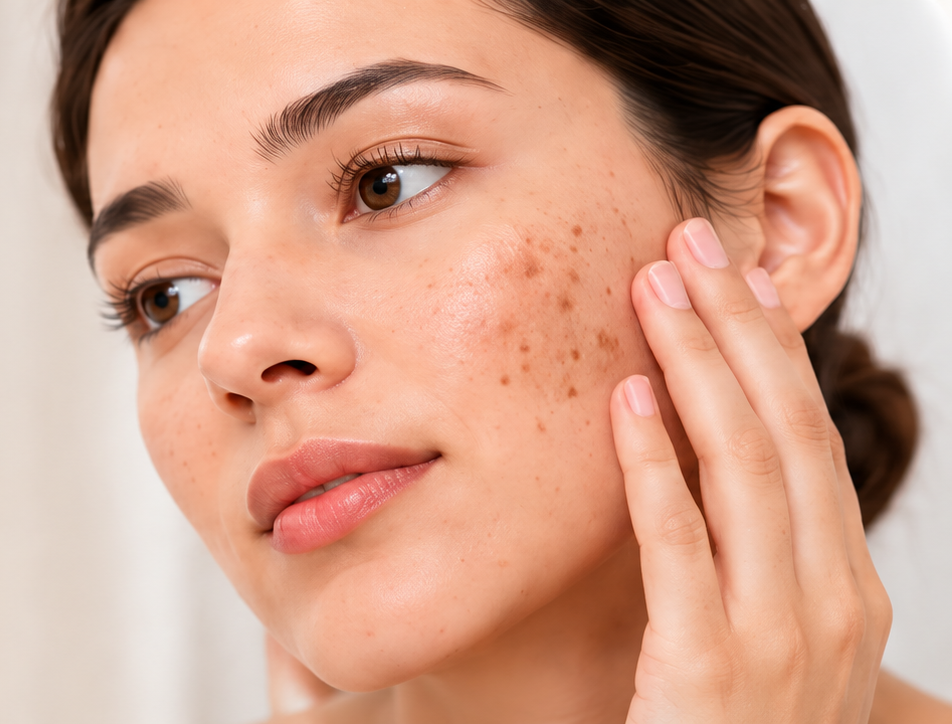
Pigmentation — including melasma, post-inflammatory hyperpigmentation (PIH), and sun-induced dark spots — is one of the most common and cosmetically concerning skin problems seen in dermatology. While it is not a medical threat, it can affect confidence and overall skin appearance.
With advances in dermatology, there are now multiple safe and effective treatment options that can significantly improve pigmentation. In this article, we explore the causes, latest treatments and practical tips to achieve clearer, healthier and more even-toned skin.
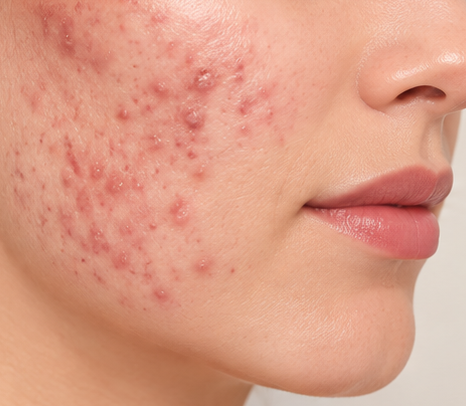
Pigmentation occurs when melanin is produced excessively and deposited unevenly in the skin. Common causes include:
Nothing works without strict photoprotection.
UV exposure can worsen existing pigmentation and increase the risk of recurrence even after treatment. Use a broad-spectrum sunscreen (SPF 50+), wear protective clothing, and avoid peak sun hours for best results.
Topical treatments help reduce melanin production and promote skin cell turnover. Common options include:
Oral tranexamic acid is an effective option for stubborn melasma and persistent pigmentation. It works by reducing melanin production and has shown good results in many patients.
Treatment should be prescribed only after a detailed medical history and appropriate screening, as it may not be suitable for everyone, especially those with clotting-related risk factors.
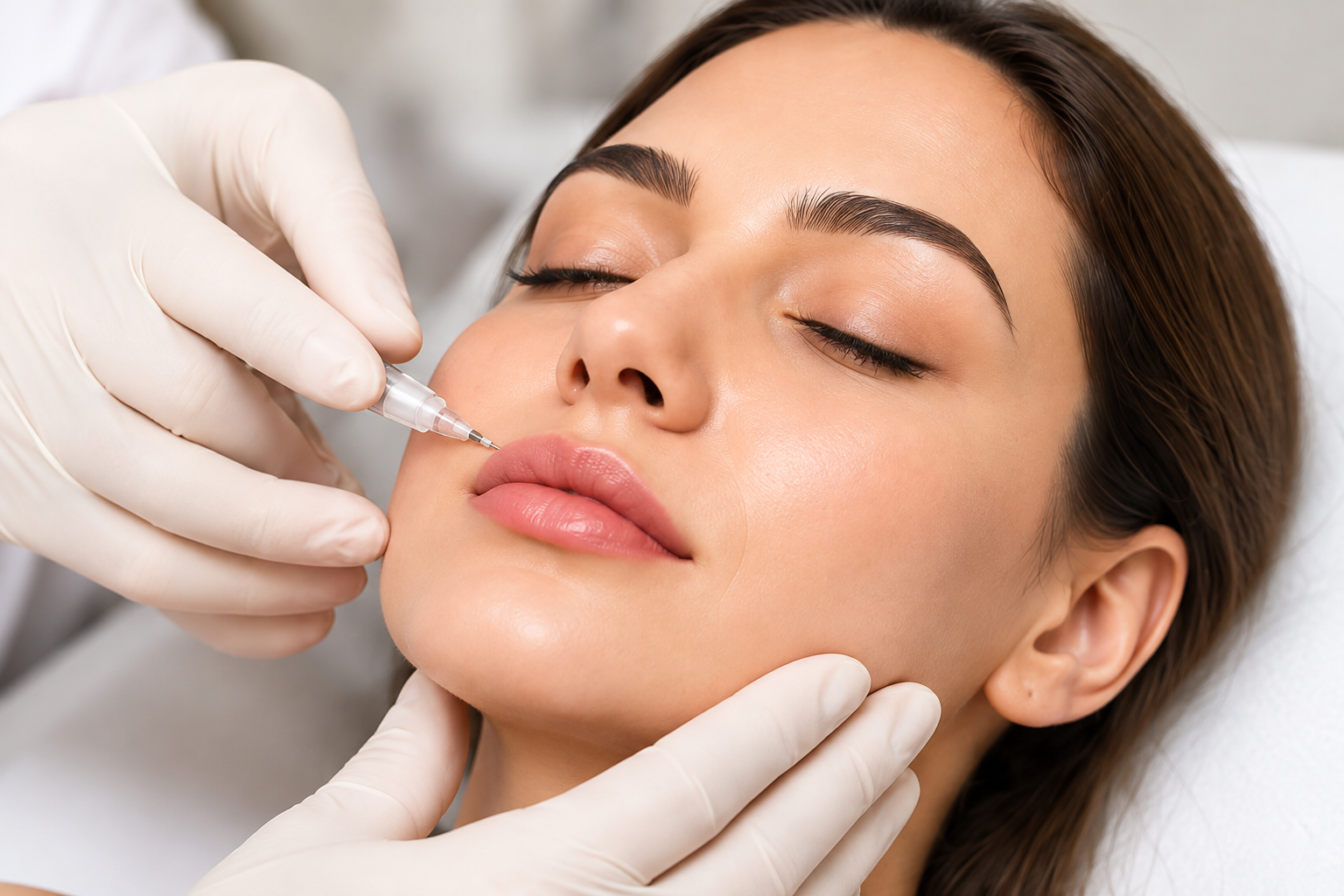
In addition to topical and oral treatments, several dermatological procedures can help improve pigmentation:
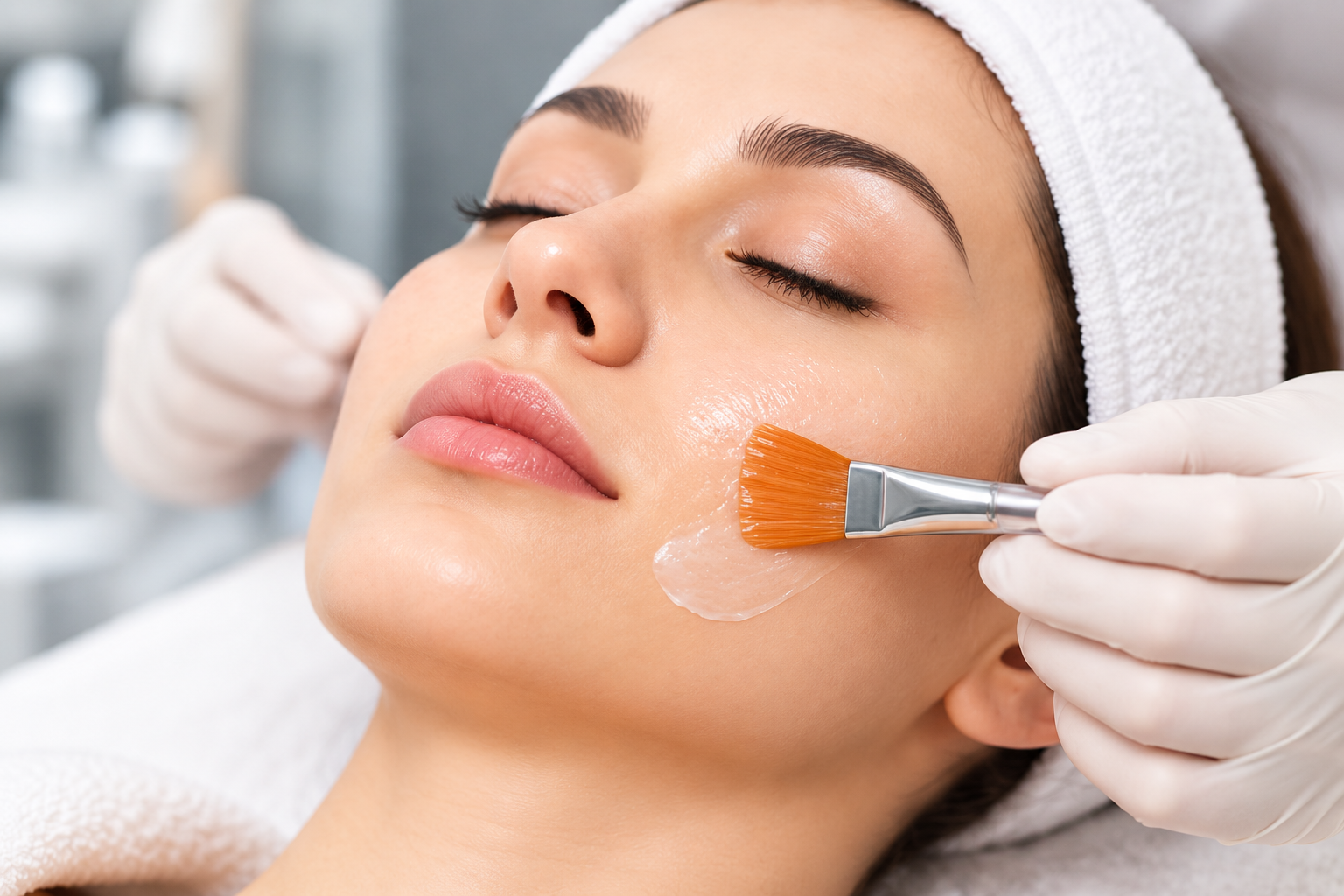
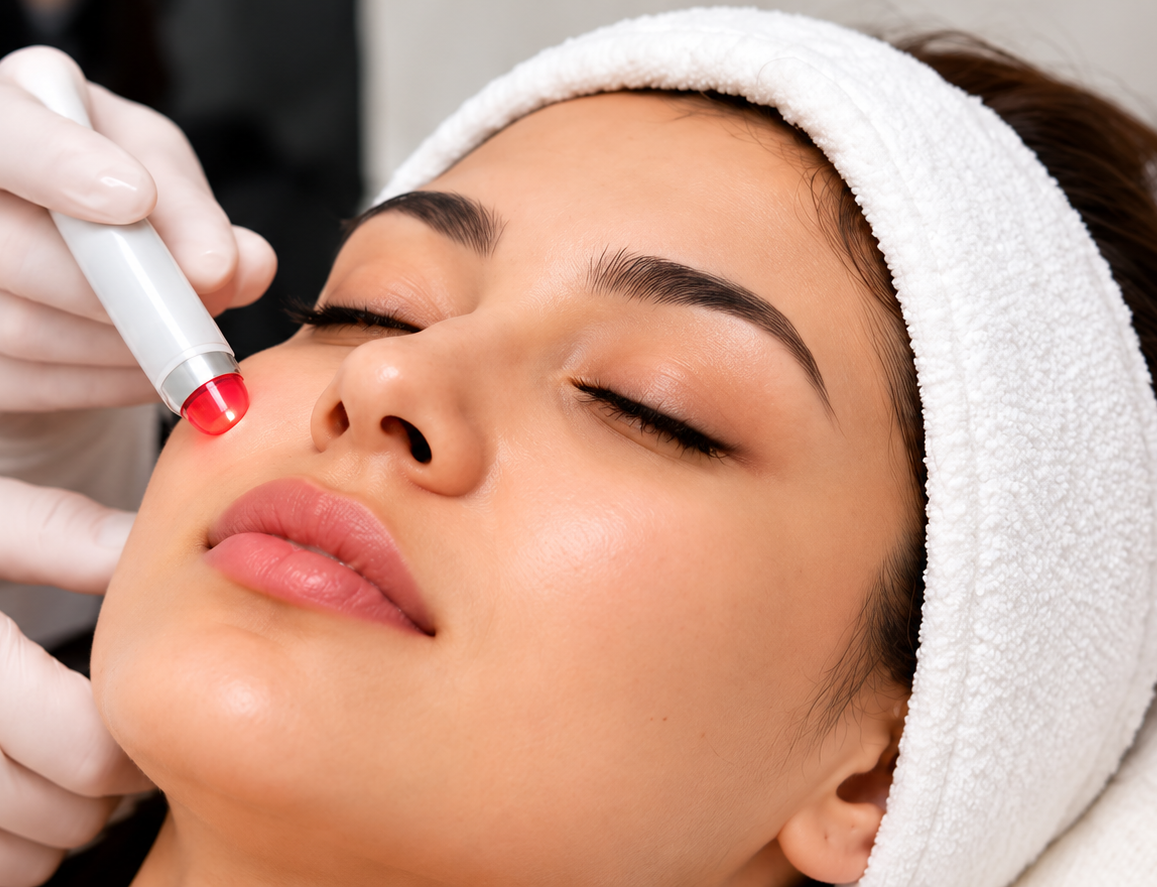
The most effective results are usually achieved with a combination of treatments.
Topical treatment + sun protection
→Consider systemic treatment where appropriate
→Lasers / peels / microneedling where appropriate
→Sun protection + periodic topical care