Red, Scaly
Patches
Thick, raised areas with silvery scales.
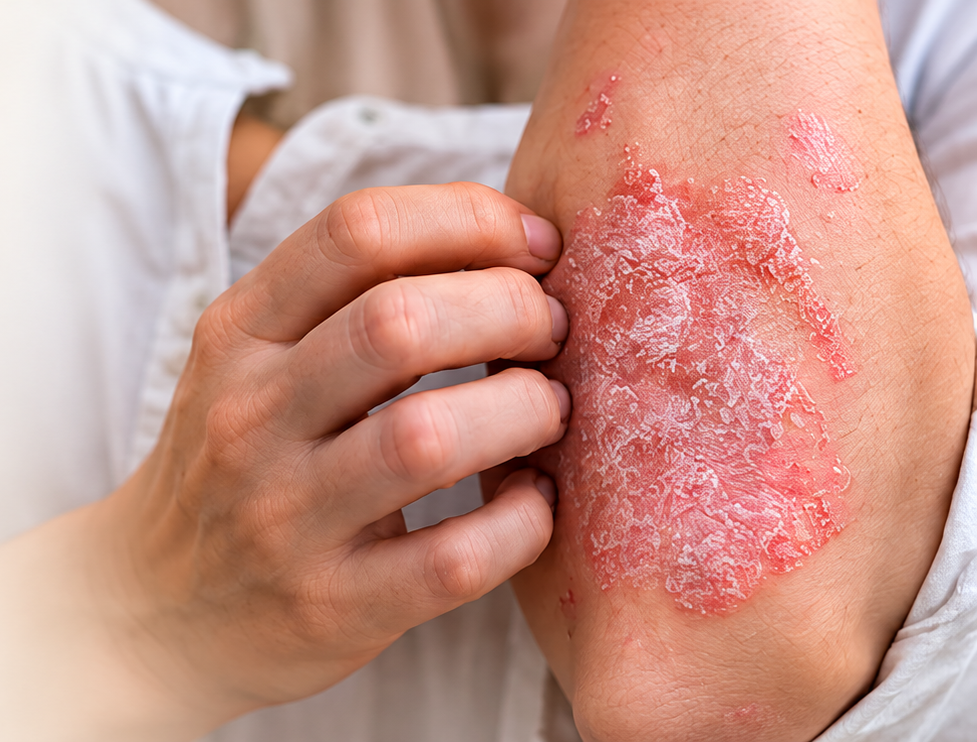
A complete guide to understanding psoriasis, its common triggers, how it affects the skin, and the most effective treatment options for healthier, clearer skin.
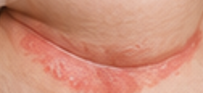
Psoriasis is a chronic autoimmune skin condition that causes the rapid buildup of skin cells, leading to red, scaly patches on the skin.
It can affect different parts of the body and may vary in severity from person to person. Understanding the causes, symptoms and treatment options can help with better management and improved quality of life.
Psoriasis is a long-term autoimmune condition in which the immune system causes skin cells to build up faster than normal.
This accelerated skin-cell production can result in thickened, inflamed patches that may appear red, scaly and sometimes itchy or painful.
Psoriasis can affect the elbows, knees, scalp, trunk, nails and other areas of the body.
The symptoms of psoriasis can vary, but commonly include:
Thick, raised areas with silvery scales.
Persistent itchiness or irritation.
Skin may become dry, rough or painful.
Pitting, thickening or discoloration.
May be associated with psoriatic arthritis.
Psoriasis is influenced by a combination of genetic, immune and environmental factors.
Family history can increase susceptibility.
An overactive immune response affects skin cells.
Stress, infections and some medicines may trigger flares.
Cuts, burns or insect bites may trigger lesions.
Smoking, alcohol and obesity may influence risk.
Psoriasis can affect anyone, but certain factors may increase the risk.
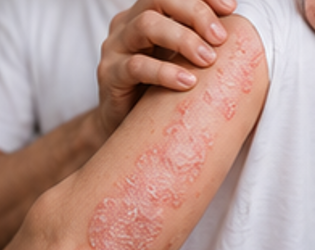
There are several types of psoriasis, including:

Treatment depends on the severity and type of psoriasis.
Creams, ointments and medicated lotions.
May be used for moderate to severe disease.
Controlled exposure to ultraviolet light.
Targeted treatments for selected severe cases.
Healthy habits, stress management and skincare.
While psoriasis may not be completely preventable, these habits can help manage flare-ups and support healthier skin.
Use gentle, fragrance-free moisturizers.
Identify and minimize personal triggers.
Relaxation and stress-management techniques may help.
Include nutrient-rich foods as part of a balanced diet.
Avoid harsh products and excessive sun exposure.
You should consult a dermatologist if you notice:
Psoriasis is a chronic but manageable condition. With an appropriate treatment approach, consistent skincare and healthy lifestyle habits, symptoms can often be managed more effectively.
If you are concerned about persistent or worsening skin symptoms, consult a dermatologist for a personalized evaluation and treatment plan.
Get personalized treatment for psoriasis from our expert dermatologist.