Comedones
- Whiteheads
- Blackheads
- Non-inflammatory
June is Acne Awareness Month, a time to shine a light on one of the most common yet misunderstood skin conditions across all age groups. As a dermatologist, I've seen firsthand how acne can impact not just the skin, but self-confidence, mental health, and overall quality of life.
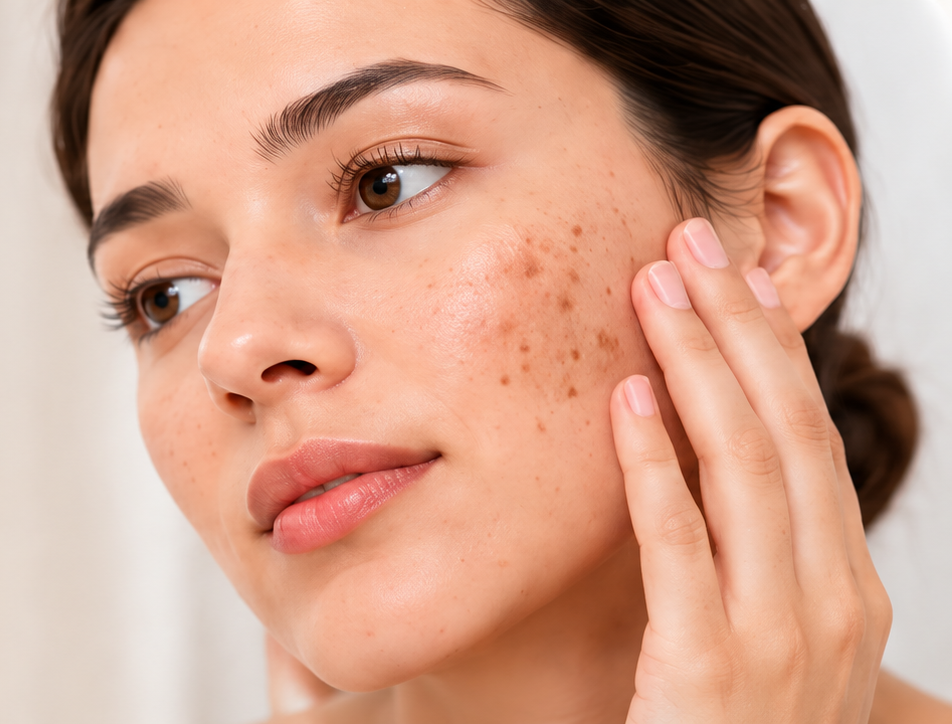
Acne is one of the most common skin conditions, affecting people of different ages and skin types. It can appear as blackheads, whiteheads, pimples and deeper inflammatory lesions.
Acne can be influenced by hormones, excess oil production, clogged pores, inflammation, genetics and lifestyle factors. With the right diagnosis and treatment plan, acne can be managed effectively while reducing the risk of long-term marks and scars.
Acne develops due to a combination of factors affecting the pores, oil glands, hormones and inflammatory response.
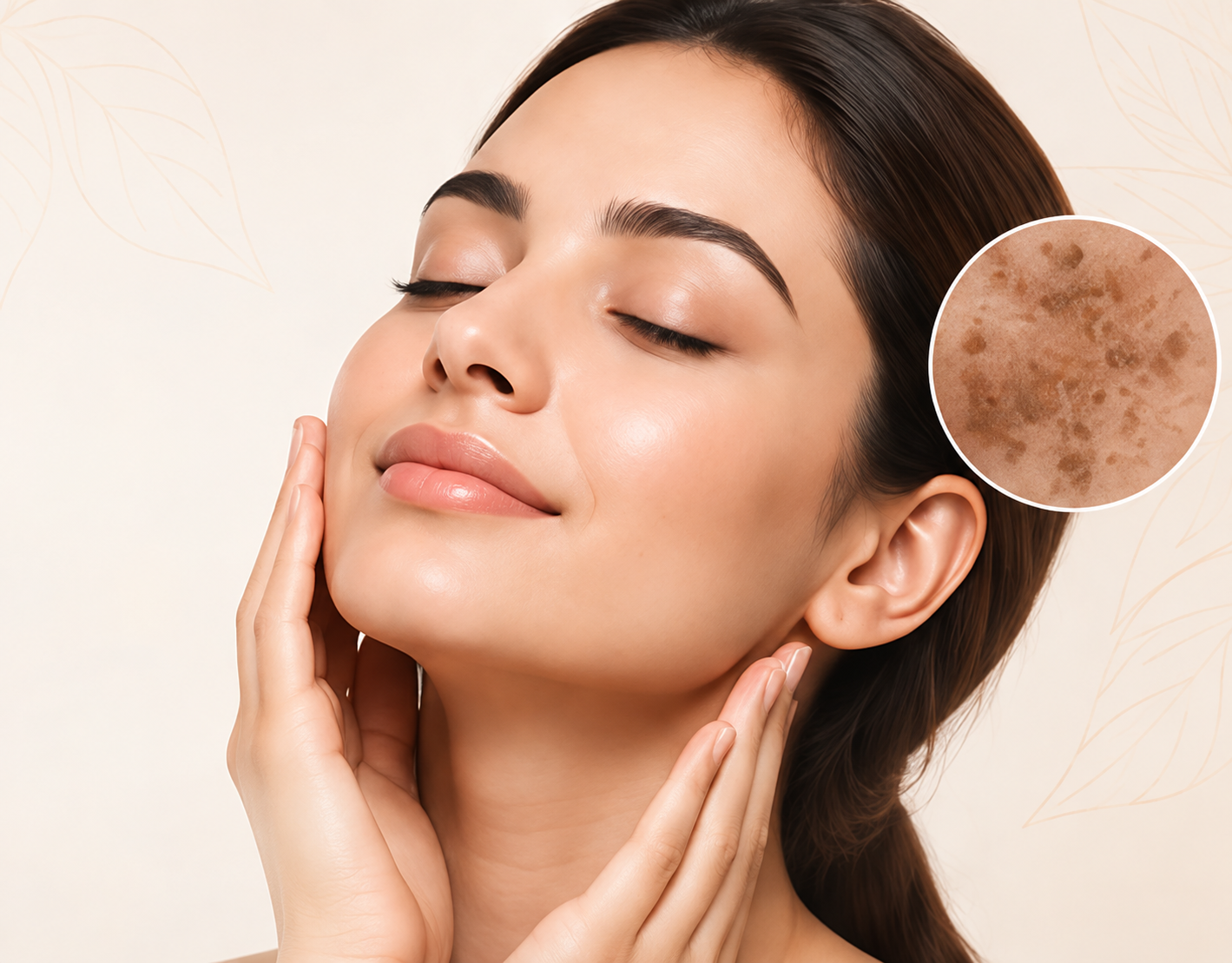
Hormonal factors can contribute to acne at any age, particularly in women.
Androgen hormones increase sebum production. Hormonal fluctuations, PCOS and other hormonal changes can contribute to persistent or recurring acne. A dermatologist can assess the pattern and recommend appropriate treatment.
Certain dietary factors may influence acne, although responses can vary between individuals.
Acne can be effectively managed with a combination of evidence-based treatments.
Let's clear some of the most common misconceptions about acne.
Adult acne is common and can be influenced by hormones, stress and other factors.
Over-cleansing can irritate the skin and may worsen inflammation.
Non-comedogenic products are generally less likely to clog pores.
Toothpaste can irritate the skin and is not a recommended acne treatment.
Acne is not simply caused by poor hygiene. Multiple biological factors are involved.
Sun exposure may temporarily dry the skin but can also worsen pigmentation and skin damage.
Acne isn't just a skin condition — it can also impact mental health. Many people experience anxiety, low self-esteem and social withdrawal, especially during adolescence. Recognizing and addressing these effects is an important part of effective acne care.
Consistent skincare can help support medical acne treatment and improve overall skin health.
Use a mild cleanser without harsh scrubbing.
Keep the skin hydrated with a suitable non-comedogenic moisturiser.
Use broad-spectrum sunscreen regularly, especially when treating acne marks.
Follow your dermatologist's treatment plan consistently for better results.
Acne is manageable when the underlying causes are properly assessed and treatment is tailored to the individual. Early professional guidance can help control active acne, reduce the risk of scarring and support healthier-looking skin.