Dry and
Rough Skin
Skin may feel dry, tight or rough to touch.
A complete guide to understanding eczema, its common triggers, effective treatment options and practical skincare tips for healthier, calmer skin.
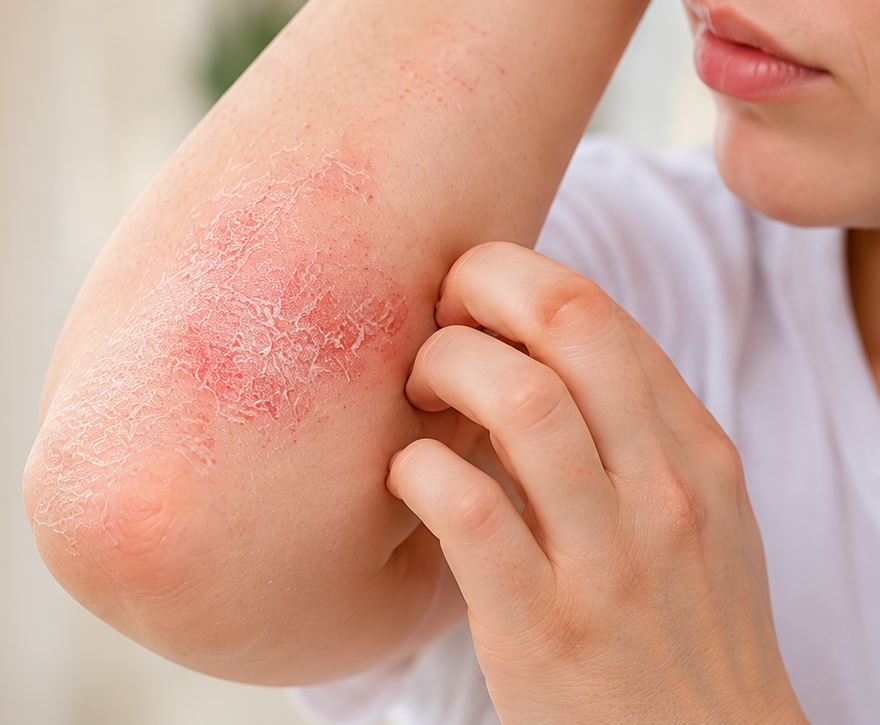
Eczema is a common skin condition that can cause dry, itchy and inflamed skin. It can occur at any age and may come and go over time. Understanding the possible causes, triggers and treatment options can help manage eczema effectively and improve overall skin comfort and quality of life.
Eczema refers to a group of skin conditions that lead to inflamed, sensitive and itchy skin. It often appears as red, dry patches and can affect different parts of the body.
Eczema can affect the skin barrier, allowing moisture to escape more easily and making the skin more sensitive to irritants, allergens and environmental triggers.
Symptoms can vary from person to person and may range from mild dryness and itching to more persistent inflammation.
Eczema can cause a variety of symptoms depending on the affected area, severity and type of eczema.
Skin may feel dry, tight or rough to touch.
Persistent itching can be one of the most noticeable symptoms.
Inflamed areas may appear red or darker than surrounding skin.
The affected skin may become flaky, scaly or rough.
Skin may react more easily to products or environmental triggers.
Eczema can be influenced by a combination of genetic, environmental and lifestyle factors.
Family history and inherited skin-barrier differences can play a role.
Dust, pollution, soaps and other irritants may worsen symptoms.
Certain allergens may trigger or aggravate eczema in some people.
Dry, cold or very hot weather may affect sensitive skin.
Stress can contribute to worsening symptoms for some people.
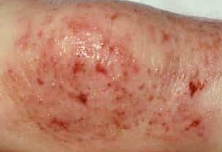
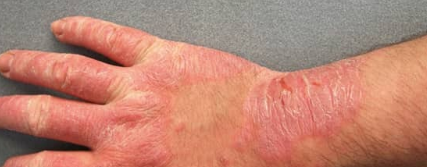
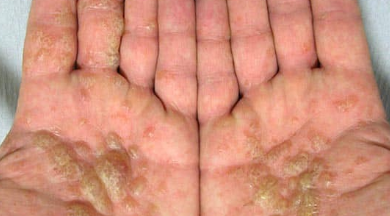
Eczema can present in different forms. Common types include:

Treatment depends on the severity and type of eczema. Options may include:
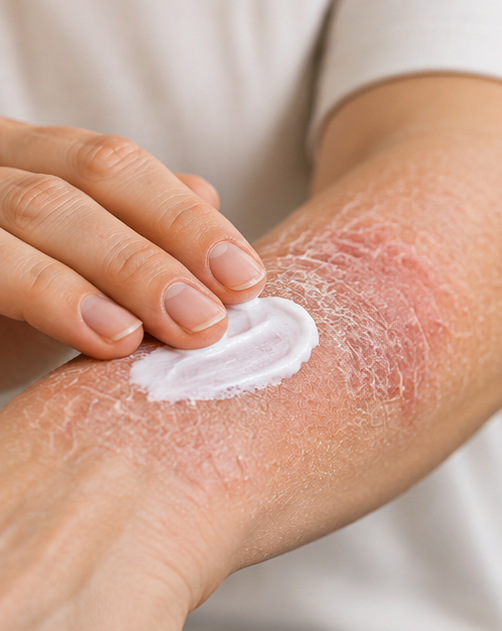
Creams and ointments may help reduce inflammation, dryness and itching.

Prescription medicines may be considered for more persistent or severe eczema.
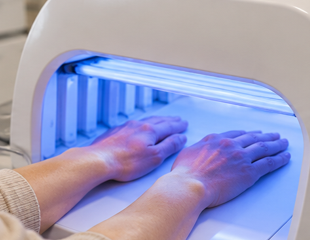
Phototherapy may be recommended in selected cases under medical supervision.

Trigger avoidance and consistent skincare can help support long-term management.
A consistent skincare routine can help maintain healthier, calmer skin and reduce irritation.
Choose mild, fragrance-free cleansing products.
Apply a suitable moisturiser regularly to support the skin barrier.
Identify and reduce exposure to products or factors that worsen symptoms.
Avoid excessive hot water, harsh scrubbing and unnecessary irritation.
Consulting a dermatologist can help identify the underlying cause and create a personalised treatment plan.
Professional evaluation may be useful when symptoms are persistent, worsening, severely itchy, affecting sleep or not responding to your current skincare routine.