Genetics
Hereditary hair loss patterns, such as male or female pattern baldness.
A complete guide to understanding hair fall — from common causes and early signs to effective prevention strategies and advanced treatment options.
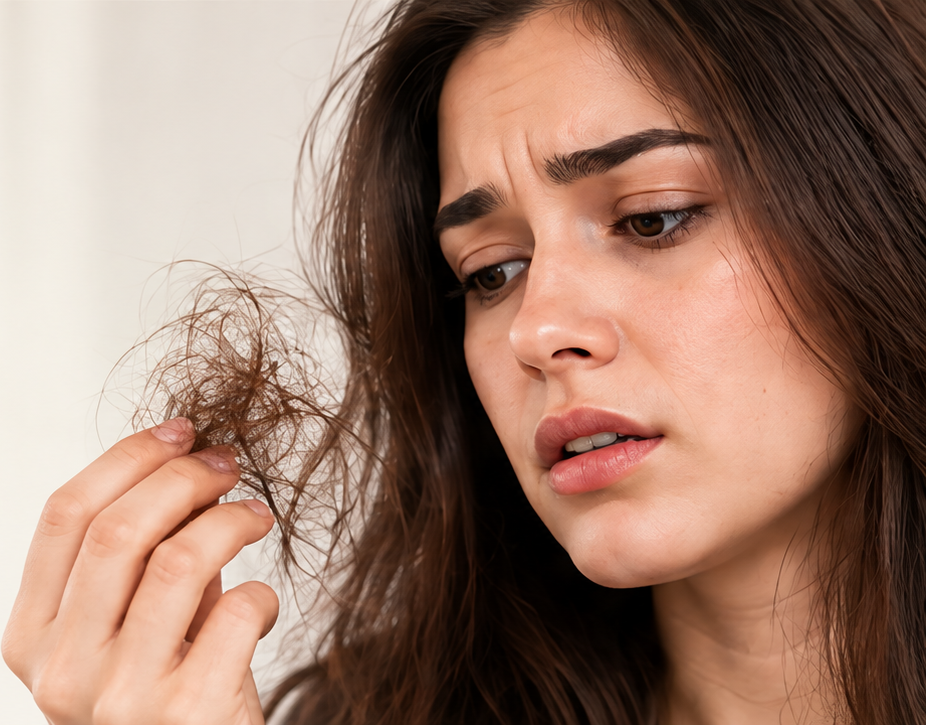
Hair fall is a common concern that affects both men and women across different age groups. While losing a few strands daily is natural, excessive hair fall can be frustrating and may indicate an underlying issue.
Understanding the causes, recognizing early symptoms and exploring the right prevention and treatment options can help you maintain healthier, stronger hair.
In this article, we’ll discuss everything you need to know about hair fall, including its causes, risk factors, prevention tips and treatment options available at Bright Clinic.
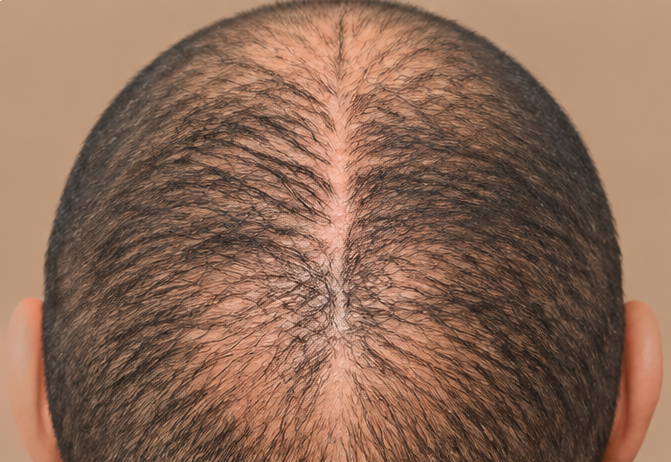
Hair fall refers to the excessive shedding of hair from the scalp, leading to visible thinning or reduced hair volume.
It can be temporary or persistent depending on the underlying cause and how early the concern is identified and addressed.

Hair fall can occur due to a variety of internal and external factors. Some of the most common causes include:
Hereditary hair loss patterns, such as male or female pattern baldness.
Pregnancy, thyroid imbalances, PCOS and menopause can influence hair growth cycles.
Lack of iron, vitamin D, biotin and essential proteins may contribute to hair fall.
Physical or emotional stress can trigger temporary hair shedding.
Dandruff, infections and inflammation can weaken hair roots.
Poor diet, lack of sleep, smoking and excessive styling or chemical treatments.
Recognizing the early signs of hair fall can help in timely diagnosis and treatment.
While not all types of hair fall can be prevented, these habits can help maintain healthy hair:
Include protein, vitamins and minerals in your diet.
Use mild shampoos and avoid harsh chemicals.
Practice yoga, meditation or other relaxation techniques.
Get enough sleep, stay hydrated and avoid smoking.
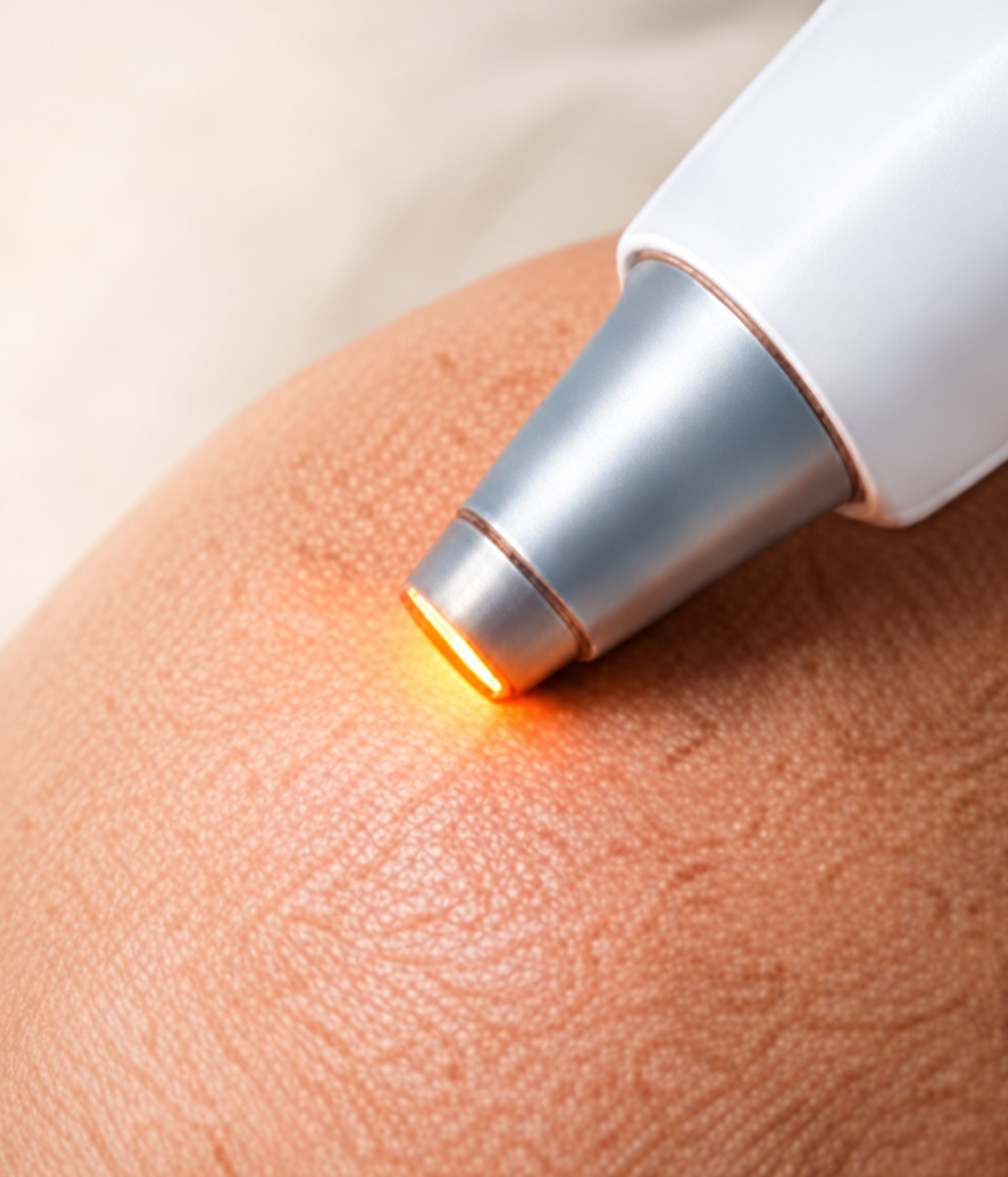
The right treatment depends on the underlying cause and severity. Common options include:

Consult a dermatologist if you notice:
Years of experience in hair and scalp care.
Customized treatment plans for long-term results.
Latest, evidence-based treatment approaches.
Holistic care for healthier, stronger hair.
Hair fall can be concerning, but with the right knowledge, lifestyle changes and expert guidance, it can often be managed effectively. If you are experiencing persistent hair fall, consult a dermatologist to identify the underlying cause and explore suitable treatment options for your needs.