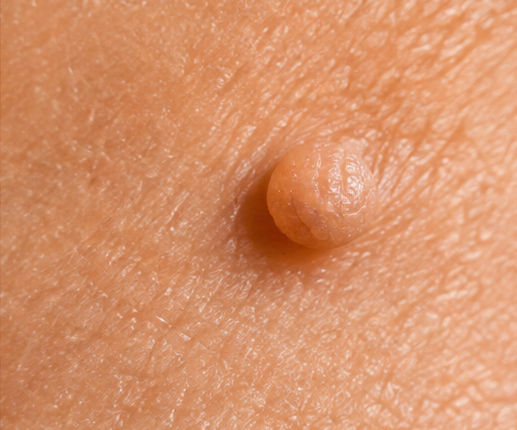
Small, Soft Growths
Typically 1–5 mm in size
Learn what skin tags are, why they occur, and the best treatment options available. Discover expert tips for managing skin tags and maintaining healthy, smooth skin.
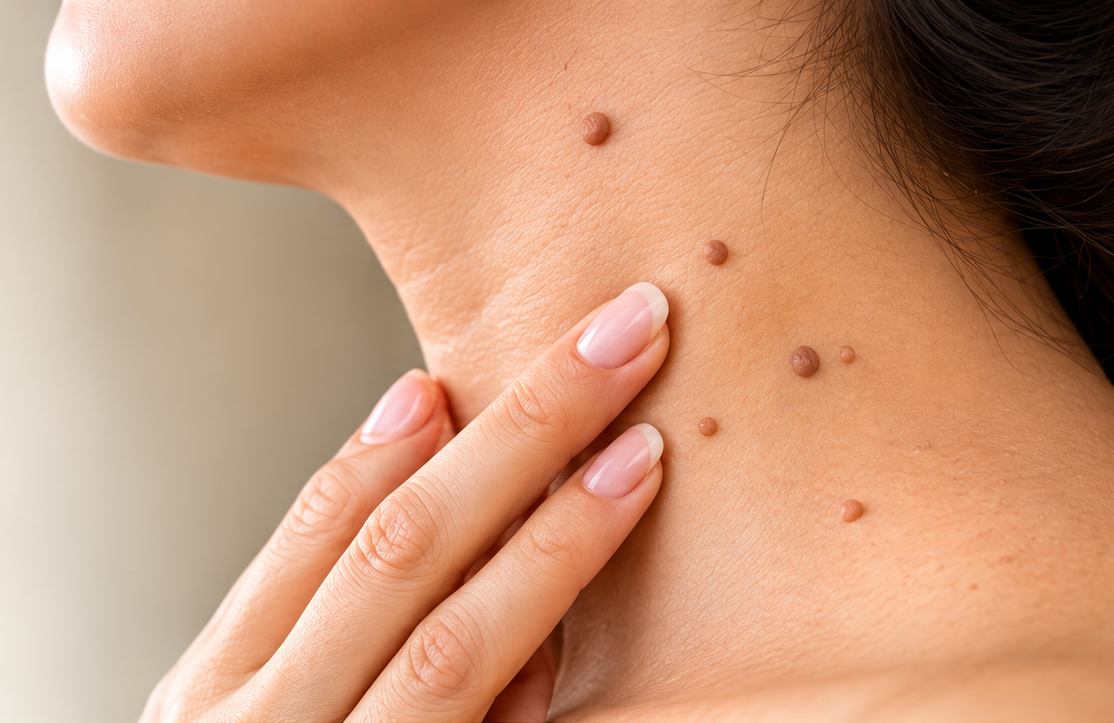
Skin tags are small, soft, benign growths that commonly appear on areas where skin rubs together, such as the neck, underarms, eyelids, groin and other skin folds. They are usually harmless and are not contagious.
Understanding why skin tags occur, how they can be identified and the available treatment options can help you make informed decisions about your skin health.
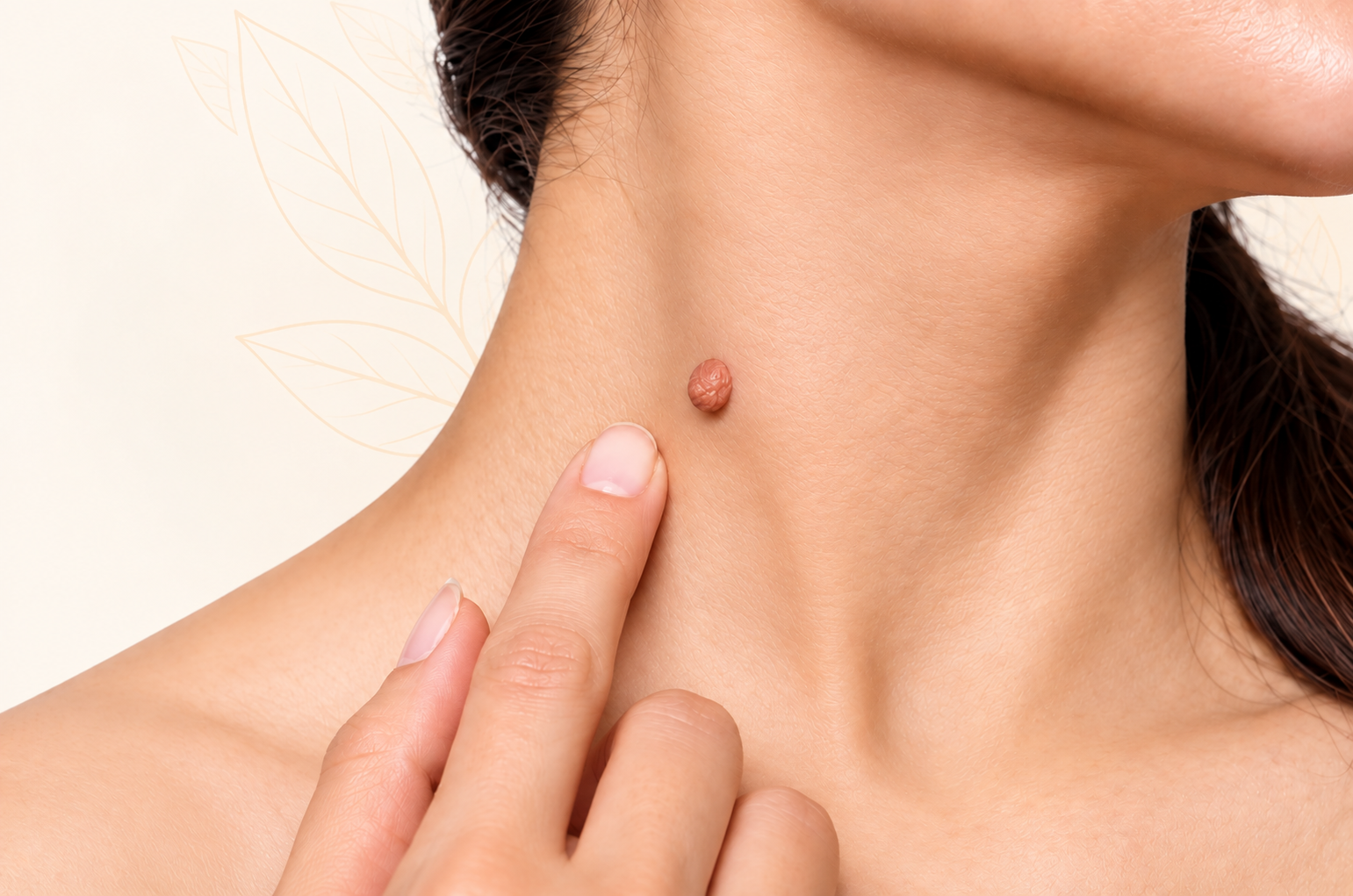
Skin tags, also known as acrochordons, are small, soft, skin-colored or slightly darker growths that hang from the skin by a thin stalk. They are non-cancerous and typically harmless.
Skin tags can develop due to several factors, including friction, hormonal changes, genetics and certain medical conditions.
Skin tags are usually easy to identify. They are small, soft and hang loosely from the skin. Although they are harmless, they can sometimes become irritated by rubbing or jewellery.
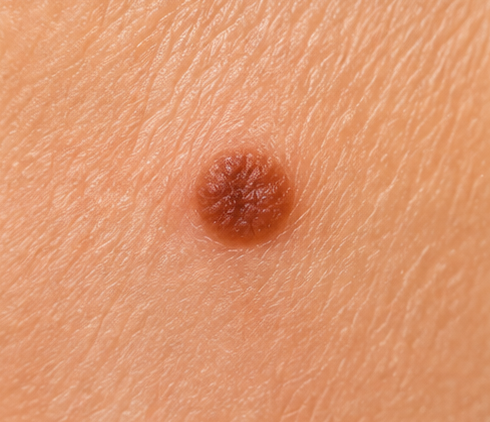
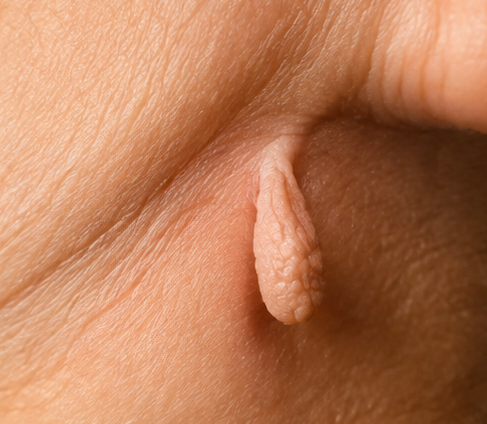
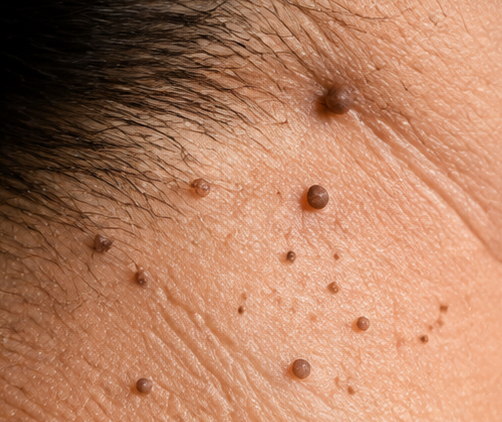
Skin tags do not require treatment unless they cause irritation, discomfort or cosmetic concerns. There are several safe and effective treatment options available.
While skin tags cannot always be prevented, certain lifestyle measures can help reduce friction and support healthier skin.
Skin tags are common, harmless growths that usually do not require treatment. However, removal may be considered when they become irritated, uncomfortable or cosmetically bothersome.
If you notice a new or changing growth, a dermatologist can examine it and recommend the most appropriate approach.
Get personalized guidance for your skin concerns from our expert dermatologist.