Flaky Skin
White or yellow scales on the scalp.
Seborrheic dermatitis is a common, chronic skin condition that causes red, flaky and itchy patches, mainly on the scalp, face and other oily areas.
It can affect people of all ages and may come and go over time. Understanding its possible causes, triggers and treatment options can help manage the condition effectively and improve overall skin comfort and confidence.
Seborrheic dermatitis is a long-term skin condition that causes scaly, flaky and inflamed skin.
Seborrheic dermatitis usually affects areas with more oil glands, such as the scalp, face, sides of the nose, eyebrows, ears and chest.
It is not contagious and can affect both adults and infants. While it may be uncomfortable and persistent, it can be effectively managed with the right skincare routine and medical treatment.
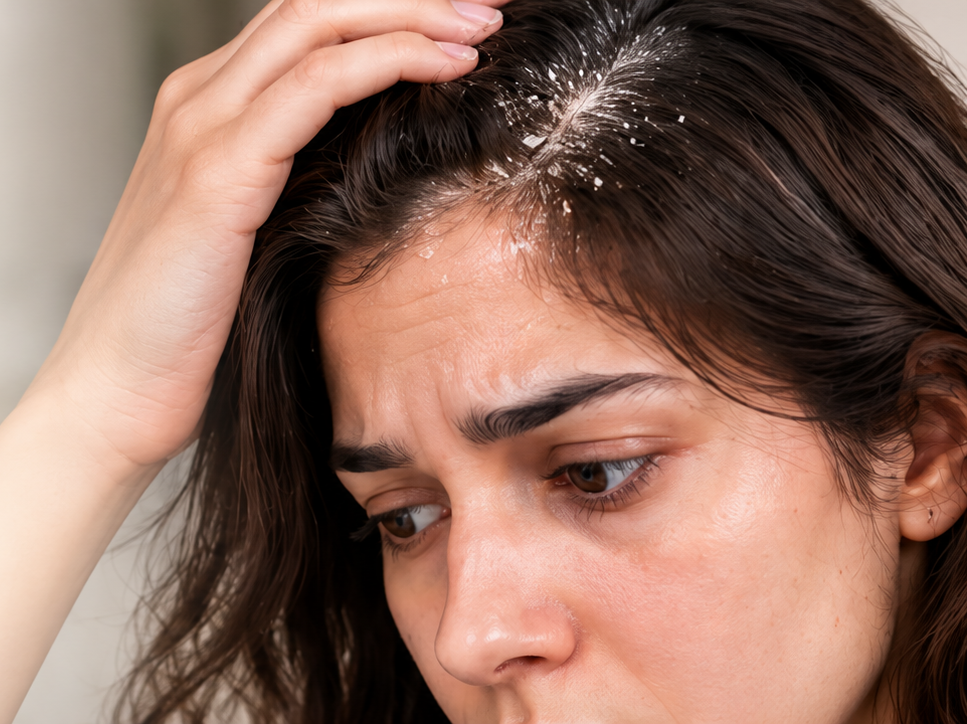
The symptoms of seborrheic dermatitis can vary in severity and may include:
White or yellow scales on the scalp.
Red, inflamed patches of skin.
Persistent itching in affected areas.
Greasy or oily appearance.
Thick, scaly patches.
The exact cause of seborrheic dermatitis is not fully understood, but several factors can contribute to it:
Overgrowth of a natural skin fungus.
Abnormal reaction of the immune system.
Fluctuations in hormone levels.
Cold, dry weather can worsen symptoms.
Emotional stress may trigger flare-ups.
Seborrheic dermatitis can affect anyone, but it is more common in:
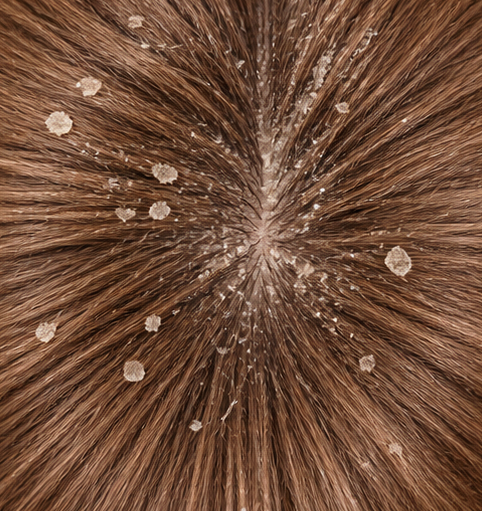
Seborrheic dermatitis can appear in different forms depending on the affected area:
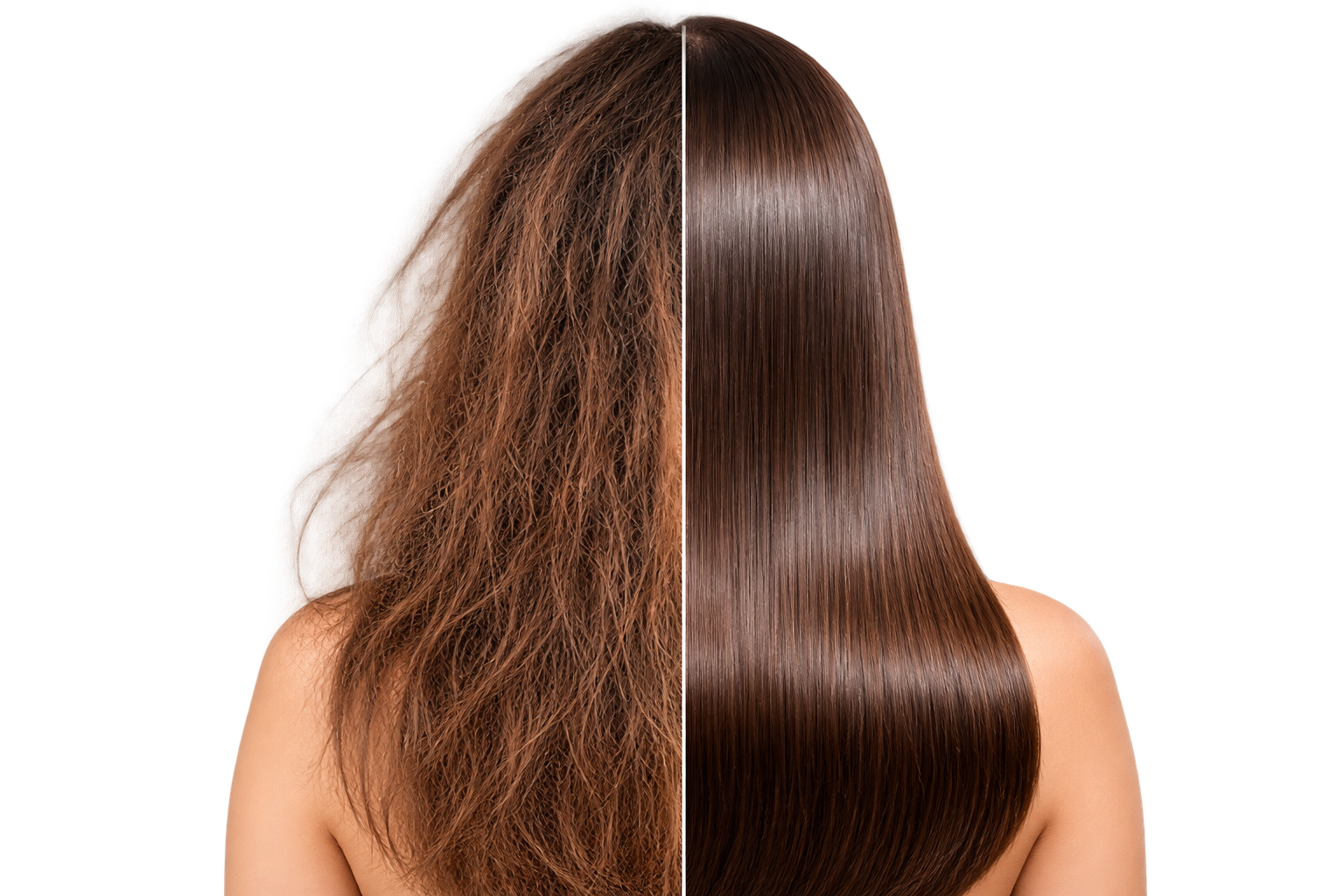
Flaky, itchy and oily scalp.
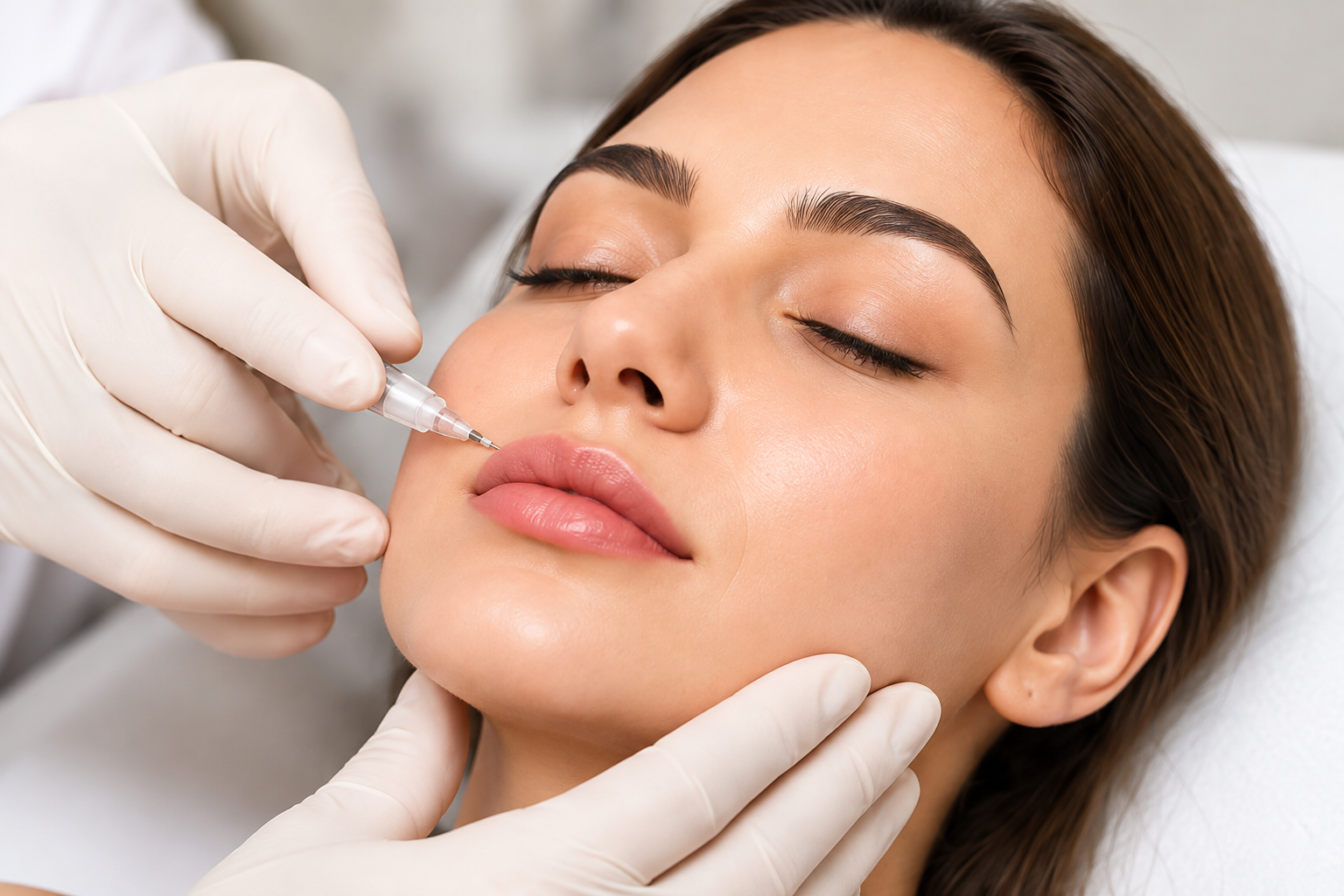
Red, scaly patches on the face.
Can also affect ears, chest, back and other oily areas.
Treatment depends on the severity and the affected area. Common options include:
With antifungal and anti-inflammatory ingredients.
Creams or lotions to reduce inflammation.
May be considered in severe or persistent cases.
Stress management and healthy skincare habits.
While seborrheic dermatitis may not be completely preventable, these tips can help reduce flare-ups:
Use mild, medicated shampoos regularly.
Practice relaxation techniques.
Keep skin moisturized in cold, dry conditions.
Include nutrient-rich foods for better skin health.
You should consult a dermatologist if:

Seborrheic dermatitis is a manageable condition, and with the right treatment and skincare routine, you can keep your skin and scalp healthier and more comfortable. If you are struggling with persistent symptoms, consult a dermatologist for personalized advice and effective treatment options.
Get personalized treatment for seborrheic dermatitis from our expert dermatologist.